AI in business, value over vanity?
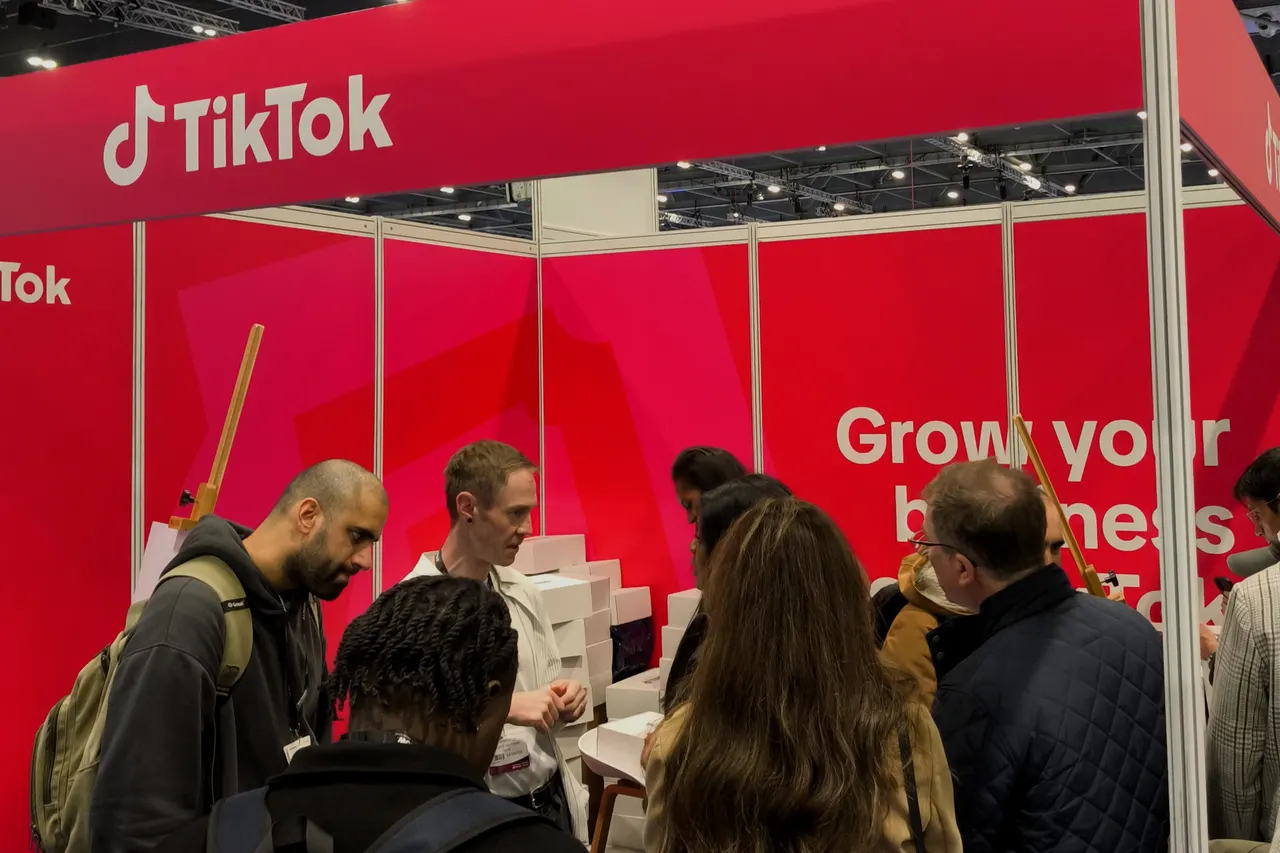
Attend any business event, conference or masterclass and you’ll be immersed in conversations, presentations and plans all surrounding the same two letters, AI. There is a snowballing number of AI start-ups whilst businesses of all sizes are attempting to embed the technology into what they do. At The Business Show London, held at ExCeL London from 11-12 November 2026, I wanted to understand where AI’s implementation is suitable and where it’s just a label.
A show structured around AI
The show boasted 25,000+ visitors, 500+ exhibitors, 200+ speakers and 90 hours of content. The seminars covered key topics such as the business fundamentals and finance, in addition to a multitude of AI focused seminars. These ranged from the implementation of agentic AI to the positive impact AI can have on a business.
The organisers pitched the event to smaller firms who wanted to grow, stand out and develop. This was made possible through international networking as well as a speed networking hub designed for attendees to “meet a high volume of relevant contacts in a short period of time”. The high concentration of SMEs at the event helps to explain why AI features so heavily. AI promises high volumes of work for a lower cost.
The seminar programme gives an insight into how businesses are approaching AI. One session explored the realistic capabilities of AI and where the hype outpaces reality. It aimed to provide attendees with a better understanding of the AI framework and a clearer picture on the future of the technology ultimately helping to determine whether their AI investment will pay off.
“The question is no longer whether AI will affect your business. It already is.”
- Jay Skipworth, CEO – GlluzTech
Another session was shaped around the idea that AI can level the playing field for SMEs. I believe there is a catch in that promise. If a tool is easily accessible by every business, then that tool alone stops being the point of difference in a competitive market.
A way to sort the AI
Every business which incorporates AI can be organised based on their response to one question: Would the business still exist without it?
Whilst responses can vary, there are three types of answers. When AI is the product, When AI amplifies the product and When AI is a defence.
1. When AI is the product
AI is the whole business for some companies. Based on my experience at the event, most of the AI-focused exhibitors wouldn’t have a business model without it.
This dependence can be seen in the figures reported by some of the world’s biggest businesses. Nvidia would still exist without AI although its dominance would not. Over 92% of their quarterly revenue to July 2026, $89 billion of $96.2 billion, came from the company’s data centre business. Nvidia also makes chips for consumer electronics yet its interdependence with AI means it is not just dictated by the industry; it’s a core part of it. It is the same pattern as the exhibitors on the show floor, just at a far greater scale. That dependence comes with risk.
In February 2026, Nvidia announced a $30 billion investment in OpenAI. This fed concerns regarding circular deals, where money moves round a small group of firms, since OpenAI is one of Nvidia’s biggest customers. An earlier report from OpenAI showed $13 billion in revenue in 2025 yet an estimate at the time said only around three percent of AI users pay for premium tiers.
Businesses which heavily diversify would be better suited to withstand a decline in the valuation of the AI market, unlike pure-play AI firms.
2. When AI amplifies the product
Most businesses use AI to support the business rather than define it. From website development to data management, AI can help smaller businesses give a professional service without the need for huge investment. One increasingly common feature used to enhance a business’s website is an AI chatbot. They are easy to implement and although not essential they add perceived value through an innovative and customer-focused online presence.
TikTok attended the event to promote its advertising features within the social media platform. AI is deeply embedded within the platform. TikTok’s recommendation system is made up of machine learning models that power the “For You” feed. Another way TikTok generates revenue is through Symphony, its generative AI studio which helps advertisers produce video content at scale. If AI were removed from the platform, TikTok would remain an app that users open to watch videos however the algorithmic personalisation would be inferior. Successful modern marketing is where the technology amplifies the business.
Whilst social media’s implementation of AI is much more extreme since it also helps to understand and process large volumes of data, the same pattern runs through everyday work. Many businesses have begun using AI to streamline workloads. The British Chambers of Commerce found 54% of UK firms are using AI, a staggering increase from 35% in 2025. ONS data suggests that most firms use only a small number of tools to improve existing processes. Additionally, small and mid-sized businesses report little change to workforce size so far. Using AI is not necessarily the same as gaining value from it. There is still a clear incentive, if businesses can use AI to reduce costs, many will.
3. When AI is a defence
Those with malicious intent also have access to the power of AI, so protecting businesses from it has become a new area of focus. Here, the question changes: businesses are forced to protect themselves from the use of AI against them rather than survive without it.
In digital banking, fraudsters are using AI-powered software to create synthetic identities through voice cloning and the use of digitally manipulated images or videos to cause harm. According to Experian, nearly 60% of companies reported rising fraud losses between 2024 and 2025. Revolut, an exhibitor at the event, claims that its AI systems detect more than 95% of attempted scams. Fraud prevention along with its 24/7 support was a fundamental part of its pitch to attendees.
Policing and security are where the debate is sharpest. In January 2026, the Home Office announced plans to increase the number of live facial recognition vans available to police in England and Wales from 10 to 50, and a UK court has ruled that live facial recognition can be deployed nationwide. Those in favour of the decisions say it helps police to locate wanted suspects yet critics raise concerns over privacy and data protection.
Three uses, one evaluation
OpenAI is built on AI, Nvidia depends on it, it enhances TikTok, and Revolut needs to protect against it. In all three cases, the point is that the value of AI is based on its purpose: it is the product, it helps to enhance an existing process, or it responds to a threat. Where it does none of these, it is nothing but a label. This is especially important for the SMEs at ExCeL London, as the technology available to everybody cannot differentiate a business from its competitors by itself; its implementation is key.
Share this article
Send this story to your contacts or share it elsewhere.